
Northrop Grumman says first DARC test validates radar tracking capability
DARC has been plagued with delays almost since its inception, according to a series of annual studies by the Government Accountability Office.
DARC has been plagued with delays almost since its inception, according to a series of annual studies by the Government Accountability Office.
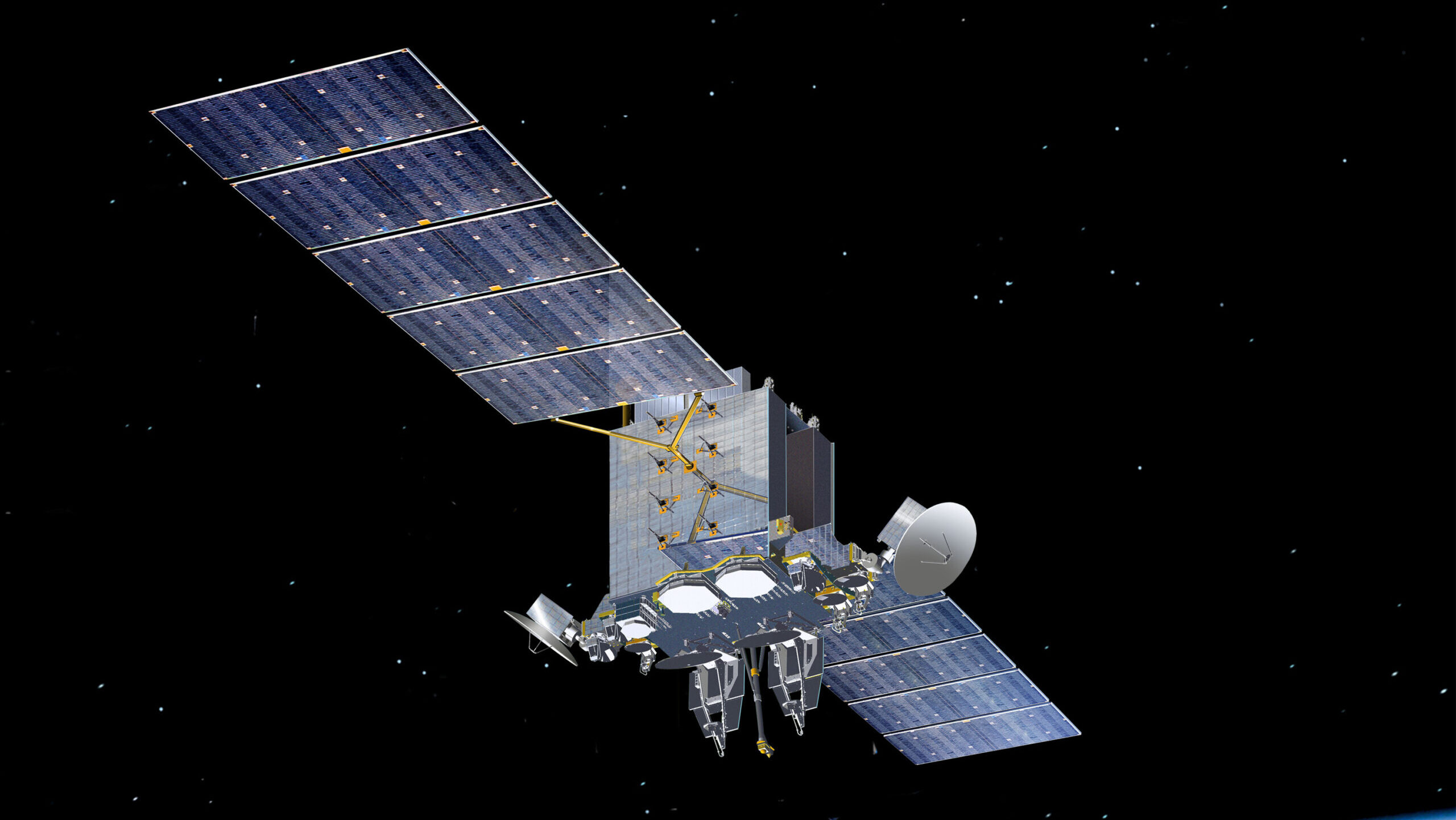
The Protected Tactical Satellite Communications-Global awards are representative of a wider shift in Space Force acquisition strategy aimed at using commercial tech to speed new capabilities to the field.


Cybersecurity skills must evolve in near-real time as Zero Day threats continue and AI provides new challenges.
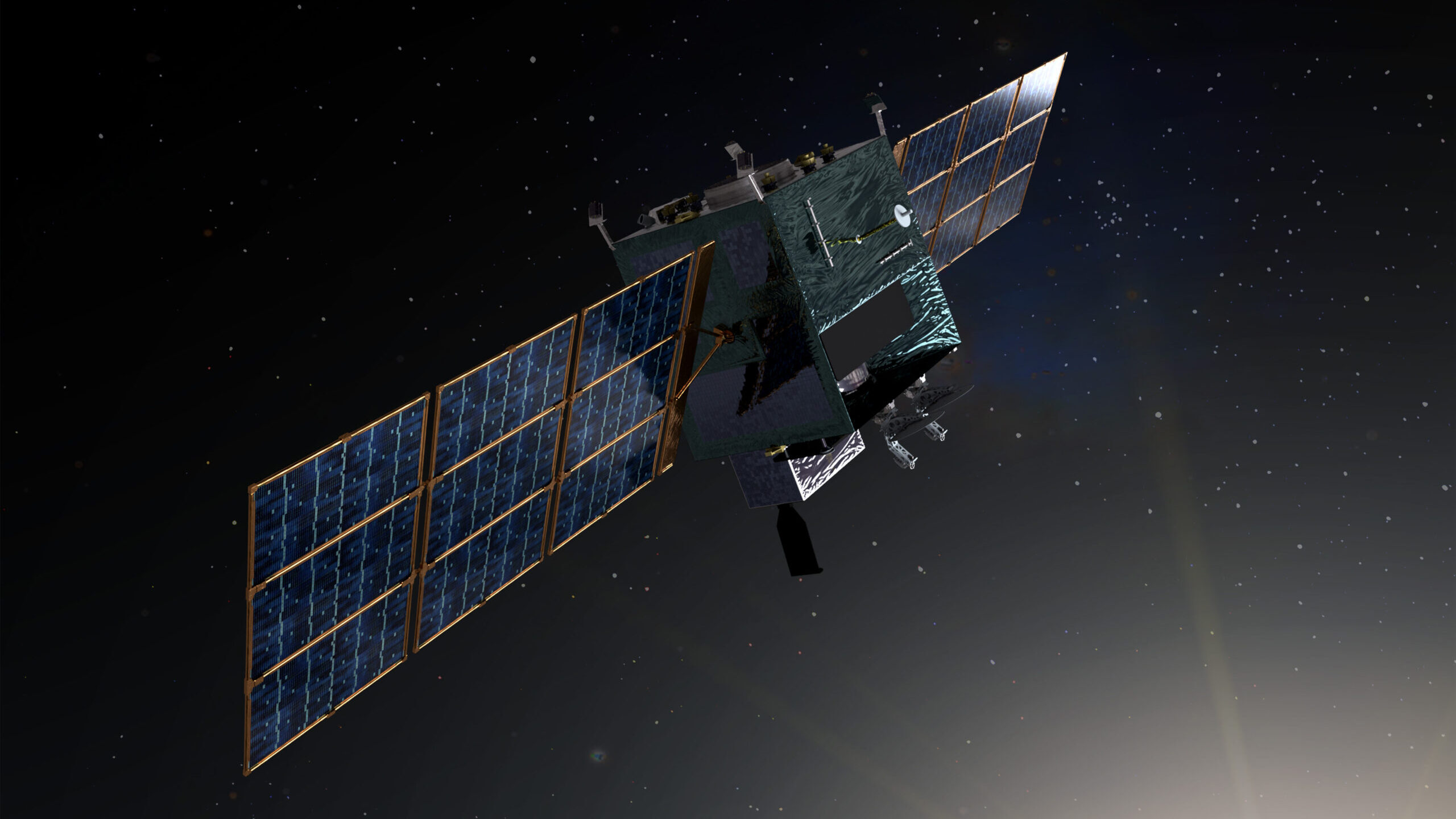
The move is part of a long-running effort by Space Systems Command to reorganize acquisition programs along mission area lines, syncing up with the structure of the service's main operational arm, Space Operations Command.
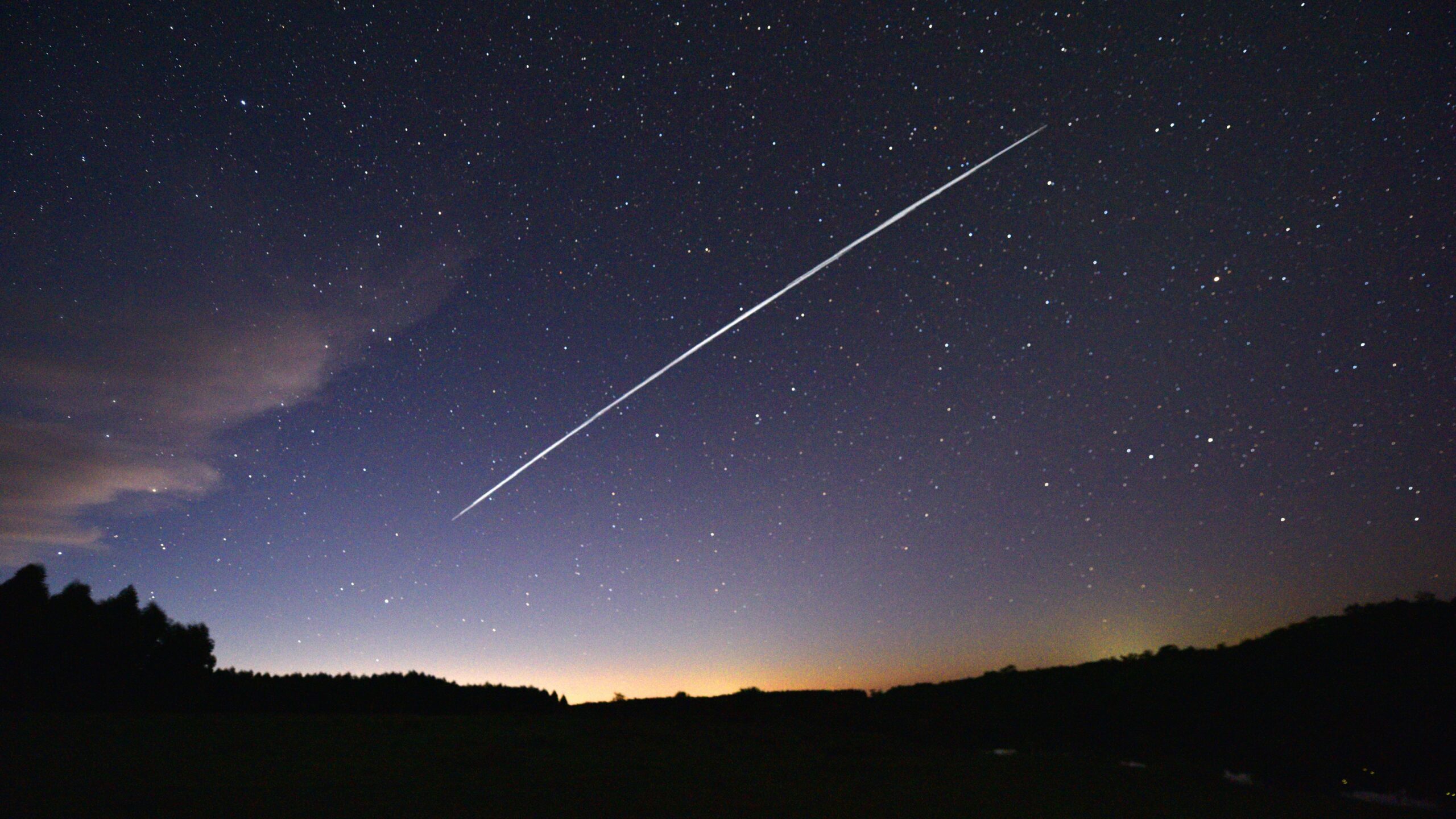
The MILNET contract with SpaceX is being paid for by the Space Force but managed by the National Reconnaissance Office, sources said.

"Space Systems Command intends to award a second vendor, but the quantity will depend on the selected vendor’s proposal. The timing and scope of that award is subject to the outcomes of the on-going FY26 budget deliberations," Col. Rob Davis, SSC's head of Space Sensing program, told Breaking Defense.

Space Systems Command (SSC) in recent weeks has issued a flurry of contracts for the key hardware and software "thrusts" that make up the FORGE program, following a restructuring in 2023 that broke the effort into more manageable pieces.


Consolidate network monitoring, performance management, and fault isolation into a single, comprehensive solution.
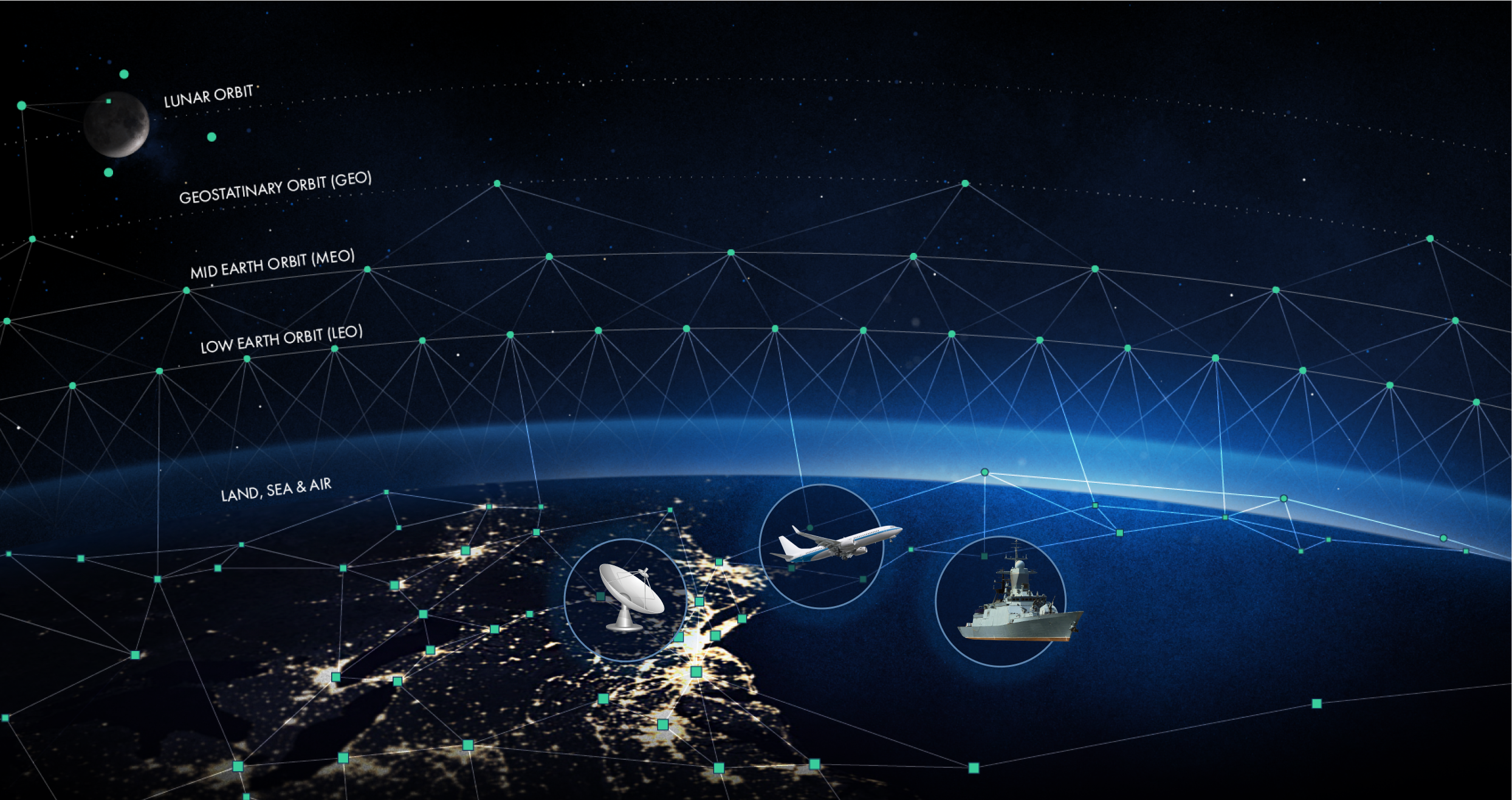
HSA is aimed at creating a "hack-proof" internet in space comprising commercial and government SATCOM birds to underpin the Defense Department's Combined Joint All Domain Command and Control concept to link sensors and shooters in real time.

While the current focus on the TacRS program is space domain awareness, Col. Bryon McClain, SSC's head of Space Domain Awareness and Combat Power, said other sorts of operational missions might be undertaken in the future.

Space Systems Command is moving out with a trio of projects — contracting with Northrop Grumman for two separate experiments, and with Astroscale US for the first on-orbit refueling operation involving a military satellite.

The program was designed to both to increase mobility and improve the jamming capabilities of the Space Force's legacy Counter Communications System, to include providing multi-frequency jamming in S-band and X-band.


Blending superior optics, advanced stabilization and AI-powered autonomy in a compact and rugged system, ASELFLIR 600 delivers unmatched intelligence, surveillance and reconnaissance (ISR) capabilities.

"Unfortunately, we were, we were slowed down a bit by uncertainty in our budget," said SSC's Col. Rob Davis, delaying awards for Epoch 2 of the Resilient Missile Warning/Missile Tracking — MEO program by about three months.

While the number of launches contracted to Blue Origin is small, the award represents a vote of confidence for the company founded by Amazon billionaire Jeff Bezos.

Both companies were awarded indefinite-delivery/ indefinite-quantity contracts under the service's National Security Space Launch Phase 3 Lane 1.

With that thumbs up from Space Systems Command’s (SSC) Assured Access to Space program office in hand, ULA now is the second fully certified launch provider, along with SpaceX, cleared under the Space Force's National Security Space Launch (NSSL) program.